
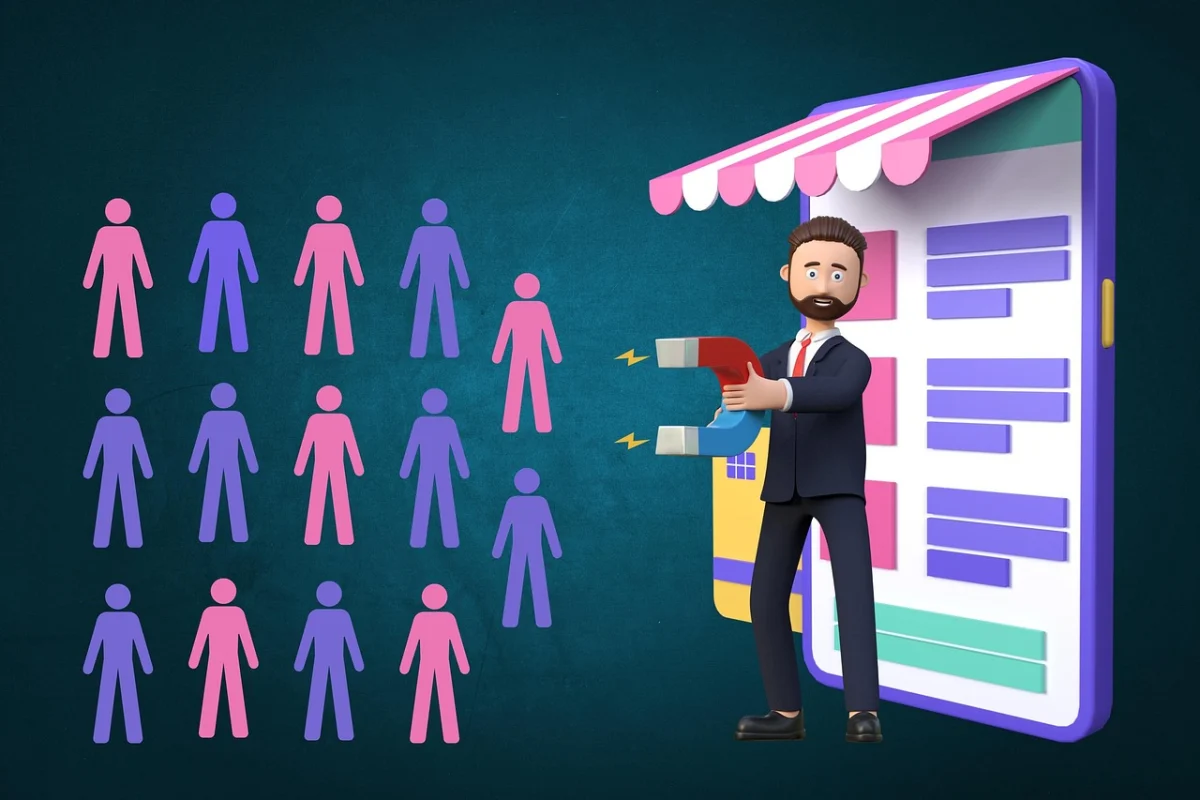
In the fast-evolving world of digital marketing, understanding the marketing funnel is essential to building brand awareness, nurturing leads, and increasing sales conversions. Whether you run an online store, a creative agency, or a personal brand, mastering this funnel will help you attract more qualified leads and convert them into loyal customers. This article contains affiliate links. If you purchase through one of these links, I may earn a small commission at no extra cost to you.
What Is the Marketing Funnel?
The marketing funnel represents the journey a customer takes — from discovering your brand to making a purchase and beyond. It’s typically divided into four key stages:
- Awareness: This is the top of the funnel, where people first discover your brand. Use social media, SEO, and content marketing to drive visibility. Tools like SITE123 make it simple to build a professional website optimized for discovery.
- Interest: Once prospects know about you, keep them engaged with valuable content. Capture leads with email signups and nurture them with automated sequences using AWeber’s Inbox2Engage, an excellent tool for building relationships through authentic communication.
- Decision: At this point, prospects evaluate their options. A strong offer, compelling landing pages, and testimonials can tip the balance. Platforms like Systeme.io allow you to create complete sales funnels, from landing pages to checkout, without technical skills.
- Action: When a lead converts, celebrate it — but don’t stop there. Post-purchase follow-ups and loyalty campaigns are key. Need professional help creating visuals, ad copy, or automation scripts? Hire vetted freelancers through Fiverr to scale your marketing efficiently.
Why the Marketing Funnel Still Works
Despite the rise of complex buyer journeys, the marketing funnel remains powerful because it gives structure to your customer acquisition strategy. It helps you align marketing, sales, and customer support, ensuring your audience gets the right message at every stage.
Data analytics and automation tools now make it possible to personalize every level of your funnel. Whether through targeted email campaigns, optimized landing pages, or retargeting ads, these systems guide potential customers smoothly toward conversion.
How to Build and Optimize Your Funnel
To make your marketing funnel truly work:
- Map out your customer journey — from first contact to repeat purchase.
- Use all-in-one funnel software like Systeme.io to integrate email marketing, sales pages, and automation in one platform.
- Build a responsive website with SITE123 to showcase your offers and capture traffic effectively.
- Engage your leads with consistent follow-ups via AWeber to increase conversions.
- Outsource design and content creation through Fiverr if you need expert help optimizing visuals, copy, or ads.
Final Thoughts
A well-built marketing funnel is more than a sales tool — it’s a roadmap for creating meaningful connections. By guiding your audience from awareness to loyalty, you build a business that thrives on trust, value, and repeat engagement.
Start today:
- Design your funnel with Systeme.io.
- Launch your website with SITE123.
- Automate your emails using AWeber’s Inbox2Engage.
- And boost your marketing assets through Fiverr freelancers.
Build your funnel, optimize it, and let it do what it’s designed for — turning awareness into lasting loyalty.
