
Introduction: Why Email Timing Matters
Email marketing remains one of the most effective tools in digital marketing, but its power hinges on more than just good content. One critical but often overlooked component is the sending schedule. A reliable and well-structured schedule builds anticipation, increases open rates, and fosters trust among your audience.
This post contains affiliate links. If you click through and make a purchase, I may earn a small commission at no extra cost to you.
In this guide, we’ll walk you through how to establish a consistent, results-driven email marketing schedule that works for your brand and keeps subscribers engaged.
Looking for a tool to help you schedule smarter and automate effortlessly? Try AWeber—a trusted platform for small business email success.
1. Understand Your Audience’s Behavior
Before setting up a sending schedule, you must understand when your audience is most active and responsive.
Key Strategies:
- Analyze open/click data: Review past campaigns to determine when users open and interact with your emails.
- Segment by behavior: Different audience groups may prefer different times. Consider age, region, or industry.
- Use A/B testing: Experiment with different days and times to identify trends.
2. Choose the Right Email Frequency
Finding the right frequency is about balancing value with visibility—send too few, and you’re forgotten; send too many, and you risk unsubscribes.
Common Frequencies to Consider:
- Weekly: Ideal for newsletters and blog updates.
- Bi-weekly or Monthly: Great for product updates or curated content.
- Daily or Multi-weekly: Suitable for time-sensitive promotions or eCommerce brands.

Tip: Ask new subscribers about their preferences when they join your list.
3. Align Sending Times with Content Type
Different types of content perform better at different times. Match the email content to optimal send times.
| Content Type | Best Frequency | Recommended Days/Times |
|---|---|---|
| Newsletters | Weekly or Bi-weekly | Tuesday or Thursday mornings |
| Promotions | 1–3x/week | Weekends or late evenings |
| Product Launches | Specific campaigns | Mid-week mornings |
| Cart Abandonment | Triggered series | Within 1–24 hours of activity |
| Educational Series | Weekly | Monday or Wednesday |
4. Set a Schedule—and Stick to It
Once you’ve identified your audience’s preferences and chosen your frequency, commit to a consistent cadence.
How to Implement:
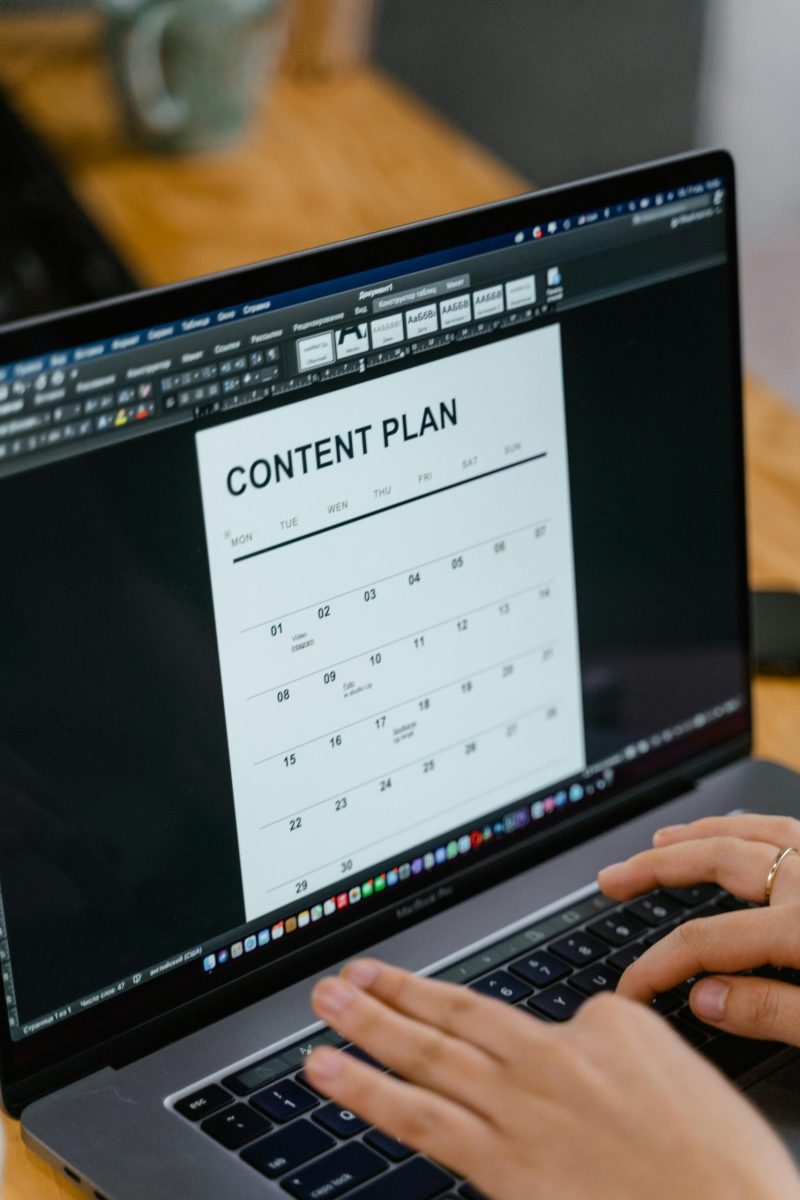
- Use an email marketing calendar to plan and automate your campaigns.
- Leverage tools like AWeber’s automation features to schedule and track.
- Build internal processes so content is ready ahead of time.
Pro Tip: Treat your email schedule like a publishing schedule—it should be as reliable as your blog or podcast calendar.
5. Automate Wherever Possible
Automation can help you maintain a reliable schedule without daily effort.
Types of Email Automations:
- Welcome Series: Automatically send to new subscribers.
- Drip Campaigns: Deliver educational content over several days or weeks.
- Behavior Triggers: Emails based on user actions (e.g., cart abandonment, purchase, or clicks).
Platforms like AWeber make it easy to build workflows using visual automation tools—no tech skills required.
6. Monitor and Adjust Based on Performance
What works today might not work in six months. Always monitor performance and be ready to pivot.
Metrics to Track:
- Open Rate
- Click-Through Rate (CTR)
- Bounce Rate
- Unsubscribe Rate
- Conversion Rate
Use feedback loops: Let subscribers adjust preferences or frequency to reduce churn.
7. Respect Time Zones and Local Context
If your list spans multiple regions, sending at one universal time can hurt engagement.
Solutions:
- Use time zone sending features offered by email marketing tools like AWeber.
- Segment lists by region or country and schedule accordingly.
8. Communicate Your Schedule to Subscribers
Transparency builds trust. Let subscribers know what to expect.
Examples:
- “You’ll receive our newsletter every Tuesday morning.”
- “We send exclusive deals twice a month.”
Add this to your welcome email or a subscription preference center.
Conclusion: Consistency Is Key to Email Marketing Success
Establishing a reliable sending schedule is not just about timing—it’s about creating a predictable, value-driven experience for your subscribers. By understanding your audience, matching frequency with content, automating campaigns, and adjusting based on data, you’ll turn casual readers into loyal fans—and eventually, customers.
✅ Ready to build a smarter email schedule?
Get started with AWeber’s automation and scheduling tools today and take control of your email marketing.
